
CREATION OF EDITORIAL AND VISUAL CONTENT THROUGH THE RESPONSIBLE USE OF GENERAL ARTIFICIAL INTELLIGENCE

Creation of written and visual content through the responsible use of generative artificial intelligence

Summary
  • The Strengths of the Training
  • Training Objectives
  • The Content of the Training
  • The Strengths of Our School
  • The Success of Our Former Students

Creation of written and visual content through the responsible use of generative artificial intelligence

Updated on 18/05/2026

Become a part of the technological revolution! Artificial intelligence (AI) is one of the most dynamic and promising fields of our time. With applications in every sector—from finance to healthcare, marketing, and services—AI is transforming our lives and our jobs.

This introductory AI training opens the doors to a fascinating world. Whether you're a professional eager to understand the basics of AI or an enthusiast ready to dive into one of the most influential technologies of the 21st century, this training will allow you to master the fundamentals of AI and discover how to integrate it into your daily work.

Success rate: Not available

Training duration

35 hours (5 synchronous hours and 30 asynchronous hours)

This professional training, due to its certified nature, may be eligible for funding through the CPF (Personal Training Account). Any training not covered by Article L6313-1 of the French Labor Code is not eligible for this funding scheme.

Date of issue: 01-10-2024

Personalized appointment

THE KEY STRENGTHS OF THE TRAINING

Creation of written and visual content through the responsible use of generative artificial intelligence

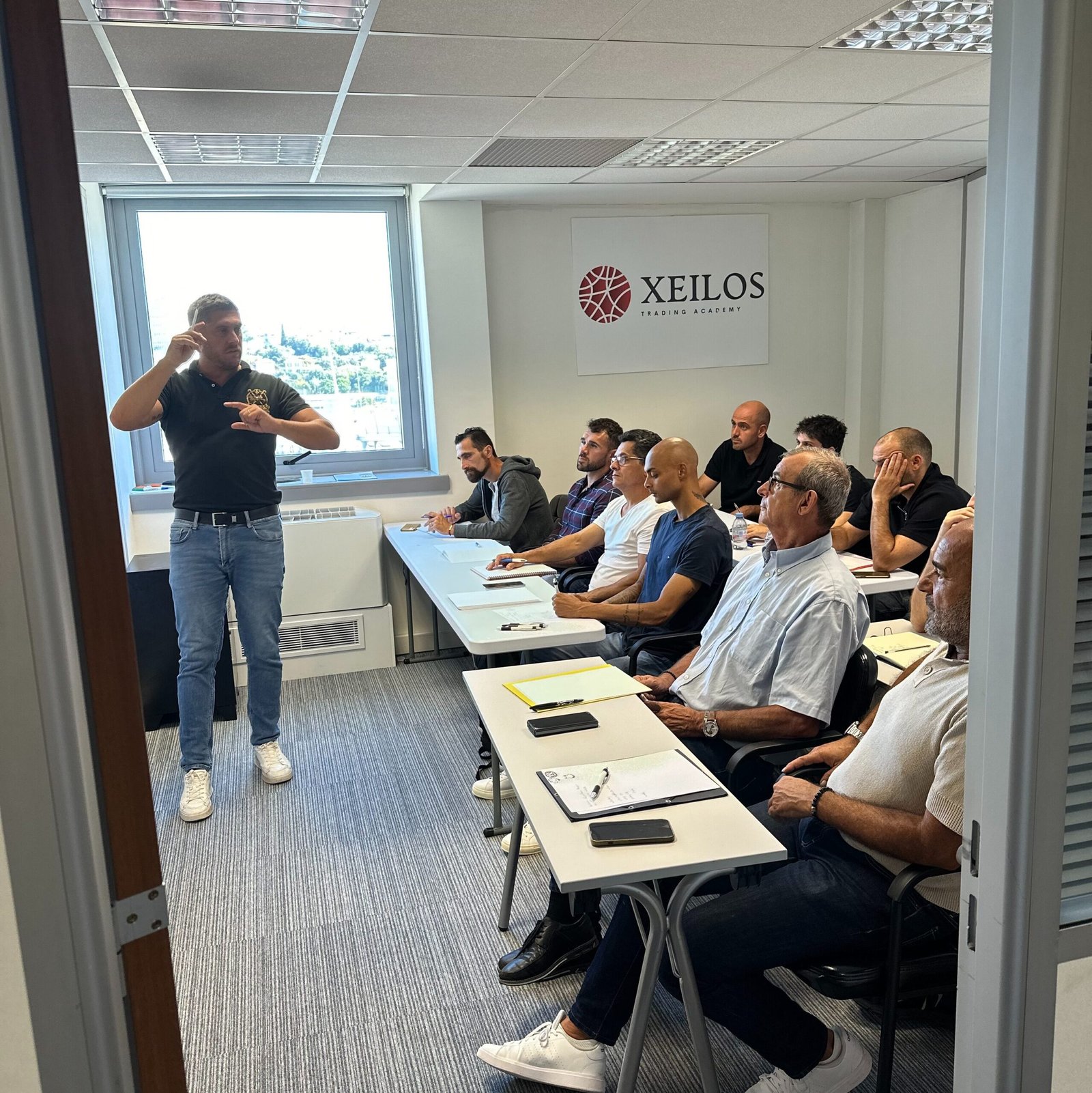
Understanding the Fundamentals of Artificial Intelligence

At the heart of this training, you will discover the fundamental principles of artificial intelligence. We explain clearly and accessibly how AI works and its applications in various fields. You will learn to distinguish between the different types of AI (weak AI vs. strong AI) and how each can be used to solve complex problems. This understanding will allow you to develop a solid foundation to further your AI projects.
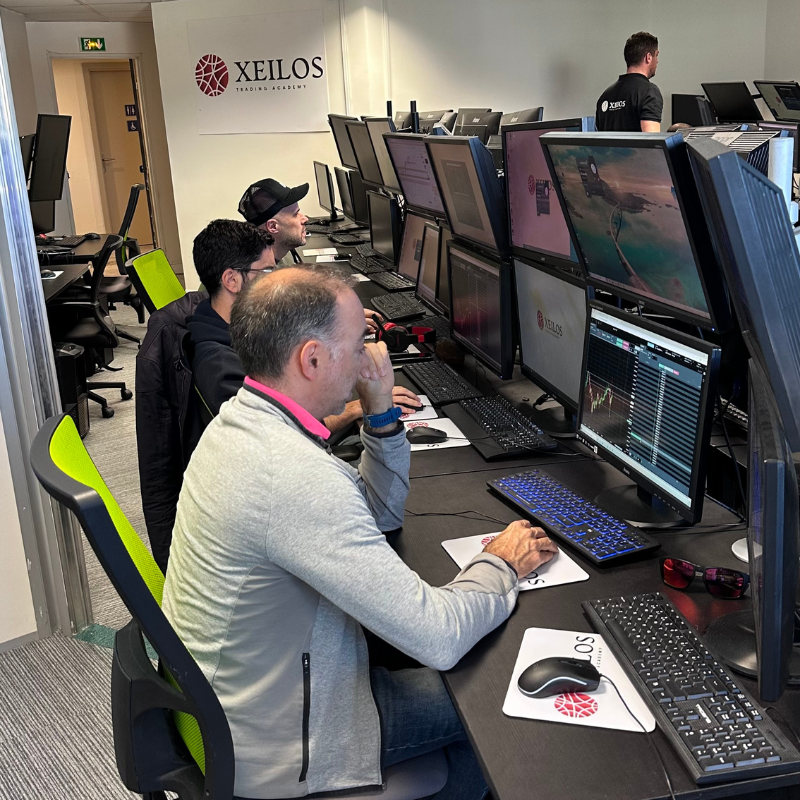
Practical Applications of AI in the Professional World

Artificial intelligence isn't just theoretical; it's already transforming numerous industries. In this course, we focus on real-world case studies that demonstrate how AI is being used in sectors like finance, healthcare, marketing, and many others. You'll discover how leading companies are leveraging AI to optimize processes, improve decision-making, and reduce costs. This hands-on approach will allow you to quickly apply your newly acquired knowledge.
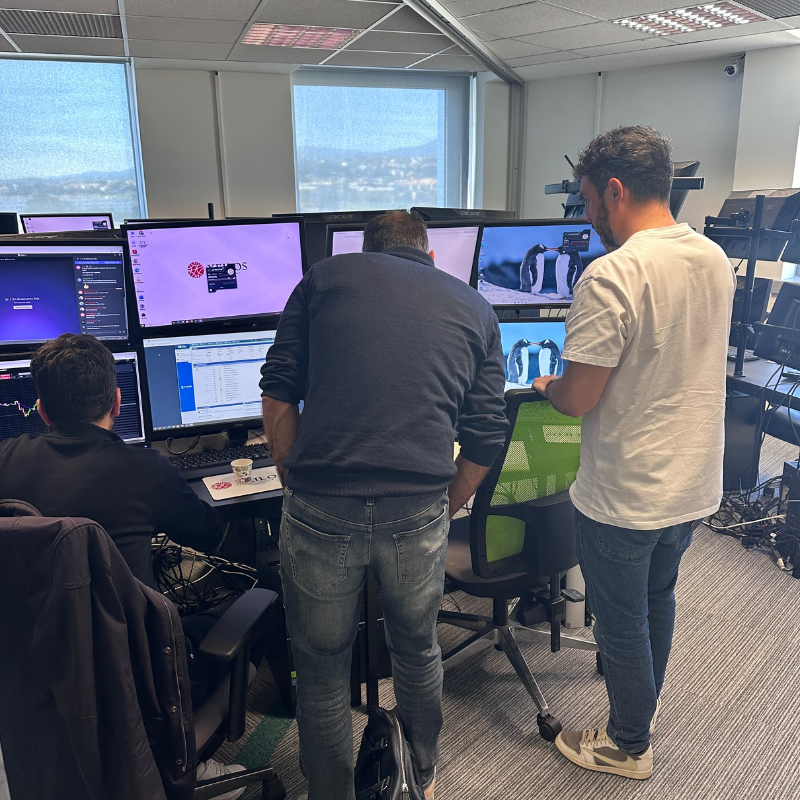
Learning the Most Used AI Tools and Techniques

This training program doesn't just teach you theories; it immerses you in real-world tools used by businesses. You'll be trained on popular software and platforms like TensorFlow, Keras, and Python. These tools will allow you to develop your own AI applications and familiarize yourself with the technical environment you'll encounter in practice. Once the training is complete, you'll be able to use these tools independently.
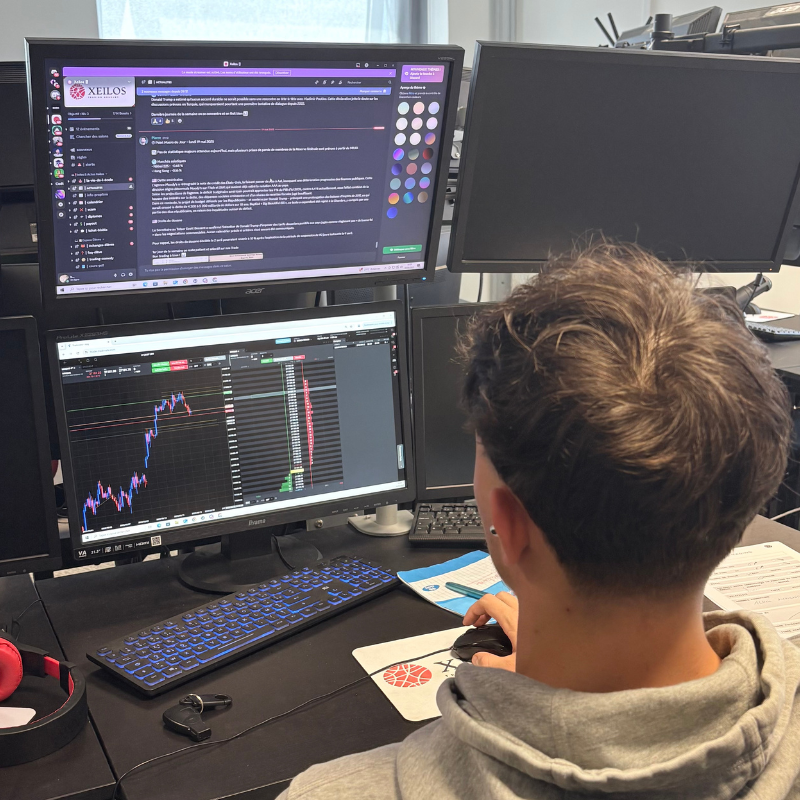
Practical Approach with Real-World Exercises and Projects

Hands-on learning is at the heart of our teaching approach. Through practical exercises, projects, and simulations, you will be immersed in real-world AI applications. These exercises will allow you to put theoretical concepts into practice, experiment, and test your skills on concrete projects. You will develop skills that are immediately applicable to your career, and you will be ready to integrate AI into your professional projects.

TRAINING OBJECTIVES

1. Understanding the fundamental principles of Artificial Intelligence
  • Discover the basics of AI
  • Distinguishing between the different types of AI
  • Exploring machine learning processes
2. Master the AI tools and techniques used in industry
  • Learn how to use popular AI platforms
  • Exploring Machine Learning (ML) techniques
  • Practicing data analysis with AI
3. Applying AI in practical cases and real-world projects
  • Working on practical projects
  • Developing AI applications
  • Simulating real-world environments
Understanding the ethical and social implications of AI
  • Analyzing the ethical challenges of AI
  • Considering the legal implications of AI
  • Assessing the impacts of AI on employment and society

TRAINING ELEMENTS

Objectives: Solid and accessible foundations of training

Understanding AI and its fundamentals without technical prerequisites
  • Introduction to the key concepts of artificial intelligence
  • Distinction between weak AI and general AI
  • Exploring the principles of machine learning
  • Easy access, no coding knowledge required

Job-oriented practice

Applying AI through concrete and professional projects
  • Case studies in marketing, finance, HR, etc.
  • Realistic simulations for practicing in near-real-life conditions
  • Development of AI applications tailored to specific needs
  • Using AI to optimize business processes

The Program Creation of written and visual content through the responsible use of generative artificial intelligence Xeilos prepares you to become an expert in all professions related to finance, health, marketing and services.

.

Tools & techniques in hand

Learn about the tools used in the AI industry
  • Getting started with Python, TensorFlow and Keras
  • Discovering supervised and unsupervised techniques
  • Creating initial simple AI models
  • Data analysis for practical applications

Guided and interactive progression

Progressing step by step through a structured and stimulating path
  • Guided learning with tutorials and regular quizzes
  • Access to an AI tutor to support the entire process
  • Clear resources and concise support at each stage
  • Active learning focused on practical application and autonomy
The Traders' School

State-recognized certification

Certification «"Creation of editorial and visual content through the responsible use of generative artificial intelligence"» allows you to obtain a recognized professional certification, registered at Specific Directory (RS6776), and delivered by InKréa Formations.

NSF Codes: 324p (Office work organization / office automation) & 326p (Computer science, information processing).
Registered on 01/10/2024 — validity in accordance with the registration decision published on the official France Compétences website

THE TRADERS' SCHOOL

XEILOS' STRENGTHS

Xeilos Trading Its aim is to democratize access to finance professions, which are often considered luxury careers. We firmly believe that everyone can unlock their potential and that the field of finance is accessible to all.

Join us to discover that it's possible!

SUMMARY of the Program

Overview of Content and Key Points

The Program

Introduction to Artificial Intelligence Training

GENERAL COURSE

Introduction – AI Culture & Awareness

An introductory module to understand the major challenges of generative AI, through impactful videos, interactive quizzes and initial practical cases.

Module 1 – AI Integration Strategy

Learn how to identify business opportunities, choose the right tools, build a strategic adoption plan and manage change within your company.

Module 2 – Creating content with AI

Master the prompt engineering, generate high value texts or visuals, and secure your uses in full compliance (Midjourney, GPT, etc.).

Module 3 – Ethics & Regulation

Understand the risks, the legal framework (AI Act), data privacy, and learn how to implement responsible AI governance.

Module 4 – AI Agents: Chatbots, Assistants & Autonomous Agents

Discover the different types of intelligent agents, their business use cases, their transformation potential and complete a practical mini-project.

Module 5 – AI Data & Performance

Develop a “data-driven” approach: data collection, preparation, reliability… the foundations to guarantee relevant and sustainable AI results.

Module 6 – The Art of Prompt and Effective

Enhance your prompt engineering skills with advanced techniques (zero-shot, nested roles, etc.) and a dedicated prompt creation assistant.

Module 7 – Sector-Specific Use Cases

Marketing, sales, HR, finance, administration… identify the best AI levers for each business area through concrete examples, tools and targeted prompts.

Module 8 – Technical Implementation with N8N

Learn how to connect your business tools and AI through automated N8N scenarios. From testing to deployment, implement your first AI workflows.

The Objectives

The program's objectives

MAIN OBJECTIVES:

Define the implementation strategy for generative artificial intelligence depending on the professional context and existing Generative AI tools (GPT Chat, Google Gemini, Adobe Firefly, Microsoft Copilot), by identifying possible optimizations, in order to develop a strategic plan for integrating and installing Generative AI tools on the workstation.
Making optimal use of generative AI tools in order to create written and visual content adapted to the initial request, accessible to people with disabilities and avoiding any risk of breach of data confidentiality in a professional context.
Evaluate and resolve ethical and regulatory issues related to the use of generative artificial intelligence tools to create content that complies with the AI Act framework and the General Data Protection Regulation (GDPR).

Objective 1: Understand the fundamental principles of Artificial Intelligence

● Discover the basics of AI: Learn what artificial intelligence is and how it works through key concepts such as algorithms and neural networks.
● Distinguish between different types of AI: Understand the difference between weak AI (which performs specific tasks) and general AI (capable of handling a wide range of tasks).
● Explore machine learning processes: Discover how
Machines “learn” from data and how these processes are used
to solve problems.

Objective 2: Master the AI tools and techniques used in industry

● Learn to use popular AI platforms: Train yourself on tools like Python, TensorFlow and Keras to create and train AI models.
● Explore Machine Learning (ML) techniques: Discover techniques such as neural networks, decision trees, and supervised and unsupervised learning.
● Practice data analysis with AI: Use algorithms to analyze datasets and draw relevant conclusions for real-world applications.

Objective 3: Apply AI in practical cases and real-world projects

● Work on practical projects: Put your knowledge into practice by solving real-world problems using AI in sectors such as marketing, finance, and inventory management.
● Develop AI applications: Learn how to design and deploy simple AI applications for specific use cases.
● Simulate real-world environments: Run AI application simulations in conditions similar to those encountered in the professional world.

Objective 4: Understand the ethical and social implications of AI

● Analyze the ethical issues of AI: Discuss problems such as algorithmic bias, data privacy and the social impacts of automation.
● Consider the legal implications of AI: Discover how AI impacts legislation and regulations on privacy, particularly the GDPR in Europe.
● Assess the impacts of AI on employment and society: Understand the effects of AI on jobs, economic sectors and society as a whole.

Objective 5: Develop practical skills to boost your career

● Acquire skills sought by employers: Learn key skills that enable you to meet the growing demand for AI professionals in various sectors.

● Apply AI to your field of activity: Whether you are in marketing, finance, or industry, discover how AI can be integrated to optimize your processes and improve your results.
● Increase your employability: Become a valuable asset for companies seeking to integrate AI into their innovation projects.

Objective 6: Master the use of AI for decision-making and process optimization

● Automate decision-making: Learn how to use AI systems to make real-time decisions by analyzing complex data and trends.
● Optimize processes with AI: Discover how AI can improve business process efficiency, reduce costs and increase productivity.
● Predict future results with AI: Use AI to anticipate trends and make strategic decisions based on accurate forecasts.

Prerequisites

Prerequisites

Candidates wishing to join this program must meet one of the following criteria:

It is preferable to have some prior experience in the professional world as well as familiarity with the use of the Internet.

Target audience:

This certification is designed for employees and job seekers in the service sector whose work involves producing written content (emails, summaries, reports, minutes, articles, etc.) or visual content (social media posts, images, websites, etc.). It is specifically tailored to meet the needs of professionals working in administrative support, secretarial work, marketing, communications, human resources, and legal fields.

The exam

Training validation

Training validation

At the end of the course, learners commit to taking the exam to obtain the certification “Creation of written and visual content through the responsible use of generative artificial intelligence”, registered with France Compétences by Inkréa Certifications under number RS6776. The certification exam consists of a written paper to be submitted within 10 days of the end of the training, based on 6 practical cases, followed by a 20-minute oral presentation.

TRAINING SUMMARY

Overview of the content and key points

Creation of written and visual content through the responsible use of generative artificial intelligence

GENERAL COURSE

Training Program (42 hours)

(7h synchronous + 35h asynchronous)

Introduction – AI Culture & Awareness (e-learning: 2 hours)

An introductory module to understand the major challenges of generative AI, through impactful videos, interactive quizzes and initial practical cases.

Module 1 – AI Integration Strategy (E-learning: 11 hours / Synchronous sessions: 2 hours)

Learn how to identify business opportunities, choose the right tools, build a strategic adoption plan and manage change within your company.

Module 2 – Creating content with AI (E-learning: 14 hours / Synchronous sessions: 3 hours)

Master the prompt engineering, generate high value texts or visuals, and secure your uses in full compliance (Midjourney, GPT, etc.).

Module 3 – Ethics & Regulation (E-learning: 7 hours / Synchronous sessions: 2 hours)

Use artificial intelligence responsibly.

Summary and perspectives (e-learning: 1 hour)

The program's objectives

MAIN OBJECTIVES:

Define the implementation strategy for generative artificial intelligence depending on the professional context and existing Generative AI tools (GPT Chat, Google Gemini, Adobe Firefly, Microsoft Copilot), by identifying possible optimizations, in order to develop a strategic plan for integrating and installing Generative AI tools on the workstation.
Making optimal use of generative AI tools in order to create written and visual content adapted to the initial request, accessible to people with disabilities and avoiding any risk of breach of data confidentiality in a professional context.
Evaluate and resolve ethical and regulatory issues related to the use of generative artificial intelligence tools to create content that complies with the AI Act framework and the General Data Protection Regulation (GDPR).

Objective 1: Understand the fundamental principles of Artificial Intelligence

● Discover the basics of AI: Learn what artificial intelligence is and how it works through key concepts such as algorithms and neural networks.
● Distinguish between different types of AI: Understand the difference between weak AI (which performs specific tasks) and general AI (capable of handling a wide range of tasks).
● Explore machine learning processes: Discover how
Machines “learn” from data and how these processes are used
to solve problems.

Objective 2: Master the AI tools and techniques used in industry

● Learn to use popular AI platforms: Train yourself on tools like Python, TensorFlow and Keras to create and train AI models.
● Explore Machine Learning (ML) techniques: Discover techniques such as neural networks, decision trees, and supervised and unsupervised learning.
● Practice data analysis with AI: Use algorithms to analyze datasets and draw relevant conclusions for real-world applications.

Objective 3: Apply AI in practical cases and real-world projects

● Work on practical projects: Put your knowledge into practice by solving real-world problems using AI in sectors such as marketing, finance, and inventory management.
● Develop AI applications: Learn how to design and deploy simple AI applications for specific use cases.
● Simulate real-world environments: Run AI application simulations in conditions similar to those encountered in the professional world.

Objective 4: Understand the ethical and social implications of AI

● Analyze the ethical issues of AI: Discuss problems such as algorithmic bias, data privacy and the social impacts of automation.
● Consider the legal implications of AI: Discover how AI impacts legislation and regulations on privacy, particularly the GDPR in Europe.
● Assess the impacts of AI on employment and society: Understand the effects of AI on jobs, economic sectors and society as a whole.

Objective 5: Develop practical skills to boost your career

● Acquire skills sought by employers: Learn key skills that enable you to meet the growing demand for AI professionals in various sectors.

● Apply AI to your field of activity: Whether you are in marketing, finance, or industry, discover how AI can be integrated to optimize your processes and improve your results.
● Increase your employability: Become a valuable asset for companies seeking to integrate AI into their innovation projects.

Objective 6: Master the use of AI for decision-making and process optimization

● Automate decision-making: Learn how to use AI systems to make real-time decisions by analyzing complex data and trends.
● Optimize processes with AI: Discover how AI can improve business process efficiency, reduce costs and increase productivity.
● Predict future results with AI: Use AI to anticipate trends and make strategic decisions based on accurate forecasts.

Prerequisites

Candidates wishing to join this program must meet one of the following criteria:

It is preferable to have some prior experience in the professional world as well as familiarity with the use of the Internet.

Target audience:

This certification is designed for employees and job seekers in the service sector whose work involves producing written content (emails, summaries, reports, minutes, articles, etc.) or visual content (social media posts, images, websites, etc.). It is specifically tailored to meet the needs of professionals working in administrative support, secretarial work, marketing, communications, human resources, and legal fields.

Training Validation

Training validation

At the end of the program, learners commit to taking the exam for the certification “Creating Written and Visual Content Through the Responsible Use of Generative Artificial Intelligence,” registered with France Compétences by Inkréa Certifications under number RS6776. The certification exam consists of a written paper, to be submitted within 10 days of the training's completion, based on six practical case studies, followed by a 20-minute oral presentation. Taking the assessment is mandatory for all candidates using their CPF (Personal Training Account) credits to finance the training. Refusal to take the exam may result in a refund of the training fees.

Ready to become a player in the artificial intelligence revolution?

FAQ.

Do you have questions about our school? Find all the answers in our FAQ section.

What are the prerequisites for joining the school?

Candidates wishing to join this program must meet one of the following criteria:

  • It is preferable to have some prior experience in the professional world as well as familiarity with the use of the Internet.
What are the career opportunities after the training?

Assistant AI Project Manager

Junior Data Analyst

Digital transformation consultant

Digital Marketing Manager

Process Automation Coordinator

Data Steward

Digital Strategy Assistant

Statistical research officer

Assistant in Technological Innovation

Data processing operator

Assistant in Competitive Intelligence

AI/Chatbot Support Specialist

Digital Tools Coordinator

Intelligent Systems Technician

Internal AI Project Facilitator