What is the difference between day trading, scalping, and swing trading?

Scalping, day trading, swing trading… These terms often come up when you start to get interested in trading. But what is the difference between these styles?


And above all, which style to choose depending on your personality, your schedule or your goals?

In this article, we will explain clearly the difference between these 3 trading styles, with concrete examples to help you make the right choice.

👉 At the end of this reading, you will be able to book a free appointment with a Xeilos trainer to identify the style best suited to your profile.

Scalping, day trading, swing trading – what are the differences?

  • Scalping It consists of making rapid round trips to the markets in a matter of seconds to minutes.
  • Day trading keep positions open for the day, but never beyond.
  • Swing trading maintains positions for several days to several weeks.
  • 👉 The main difference? The duration of holding positions and the frequency of intervention.

📞 Would you like to discuss this with a Xeilos trainer?

1. Scalping: ultra-fast, ultra-reactive

THE scalping is a very short-term trading style. The objective is to take advantage of micro-movements in the market, often on units of time such as the 1 minute or 5 minutes.

  • 🕒 Trade duration: a few seconds to a few minutes
  • 📈 Number of trades per day: very high (10 to 50)
  • 🎯 Goal: to accumulate small, quick gains
  • 💡 Requires: high concentration, a fast platform, and low costs

📌 Synthesis
Scalping is suitable for highly active profiles, comfortable with stress and quick decision-making.

2. Day trading: focusing on the day

THE day trading consists of opening and closing positions on the same day.

This helps to avoid exposure to risks at night (overnight gap), while giving more time than in scalping to analyze its positions.

  • 🕒 Trade duration: a few minutes to a few hours
  • 📈 Number of trades: 2 to 10 maximum per day
  • 🎯 Objective: to capture intraday movements
  • 💡 Requires: good chart reading skills + rigorous money management

Trick :
Day trading is perfect for people who have a few free hours each day, without being glued to the screen continuously.

3. Swing trading: the ultimate "free time" style

e swing trading is a medium-term trading method. Positions are held several days, or even several weeks, taking advantage of underlying trends.

  • 🕒 Trade duration: several days to several weeks
  • 📈 Number of trades: 2 to 5 per week
  • 🎯 Objective: to follow a trend and let it run
  • 💡 Ideal for: employees, freelancers, parents… those who want to trade without dedicating their entire day to it

📊 Key figure :
52 % students from Xeilos choose the swing trading as a specialization, because it adapts better to an active lifestyle.

4. How to choose your trading style?

Here is a table to guide you according to your profile:

ProfileScalping 🟠Day Trading 🔵Swing Trading 🟢
Daily available time> 4 h2 to 4 hours< 1 h
TemperamentFastConcentratePatient
Responsiveness to stressHighAverageWeak
ObjectiveSpeedPerformanceBalance
comparative table between the three trading styles


🎓 See our certified training courses with no prerequisites

5. Mistakes to avoid when starting out

❌ Change your style every two days
❌ Choosing a style that doesn't match your lifestyle
❌ Following a scalping strategy while holding a full-time salaried job
❌ Believing that one is “better” than the other: It all depends on you

Conclusion: each profile has its own trading style

Scalping, day trading, and swing trading are three different but complementary styles.


The most important thing is not to “choose the most profitable option”, but to choose the one you can practice seriously, sustainably… and with pleasure.

🎯 Still unsure which one suits you best? We'll help you assess your goals and constraints.

👉 Take 15 minutes with a Xeilos trainer to check for free if our program is right for you:
No comments yet

Leave a Reply

Your email address will not be published. Required fields are marked *

Is trading right for me?

“I want to learn how to trade… but is it really for me?” If you’re asking yourself this question, it’s because you[…]

What careers are accessible after training in trading?

You're considering trading training but you have a key question: 👉 “What can I actually[…]

What is the best time of year to enroll in a trading course?

Are you wondering when the best time of year to start trading training? Whether you're employed, in[…]

What is scalping and is it a suitable method for beginners?

You hear about scalping everywhere, but you don't really know what it involves? Can you get started with it?

How to use your CPF (Personal Training Account) when you are undergoing a career change?

Are you considering a career change and wondering: how can I use my CPF (Personal Training Account) to finance serious training[…]

What questions should you ask yourself before choosing a trading course?

Choosing a trading course is often the first real step towards a serious project: becoming a trader, se[…]

Is it profitable to start trading in 2025?

Trading is attractive. And in 2025, more than ever, many of you are asking THE question: Is it really[…]

What is the difference between a retail trader and an institutional trader?

You are interested in trading and you often hear about individual traders and institutional traders. But what[…]

What are the steps to becoming a professional trader in France?

“I want to become a professional trader.” This phrase is coming up more and more often among career changers and enthusiasts[…]

How long does it take to learn how to trade seriously?

“How long does it take to learn trading?” This is one of the most frequently asked questions by beginners. And it is[…]

Prop Firms: A Revolution for Independent Traders

What if you could trade professional capital… without risking your own money? That's exactly what […]

How can I finance trading training when I am changing careers?

Changing careers to become a trader is a bold project. But one question always comes up: 👉 “How do I finance my training[…]

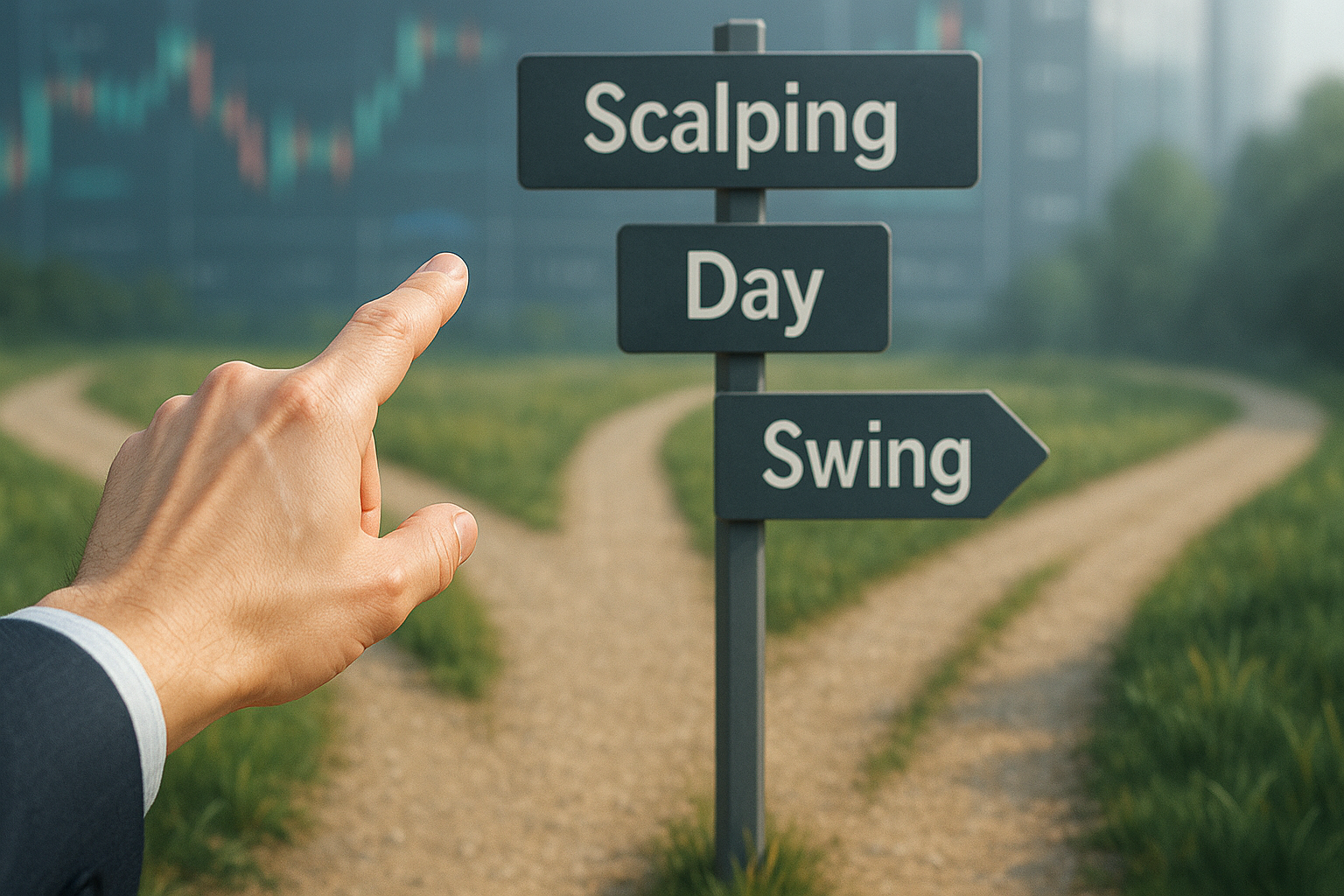
Main pointant vers un panneau de direction indiquant Scalping, Day et Swing, représentant les différents styles de trading.

What is the best trading method for beginners?

Do you want to start trading but don't know which method to begin with? Scalping, day trading, swing trading…[…]

Écrans de trading montrant des graphiques en baisse avec icônes d’alerte, illustrant les pièges à éviter avant de choisir une prop firm.

What pitfalls should be avoided before choosing a prop firm?

Prop firms are increasingly attracting traders seeking risk-free external capital to trade[…]

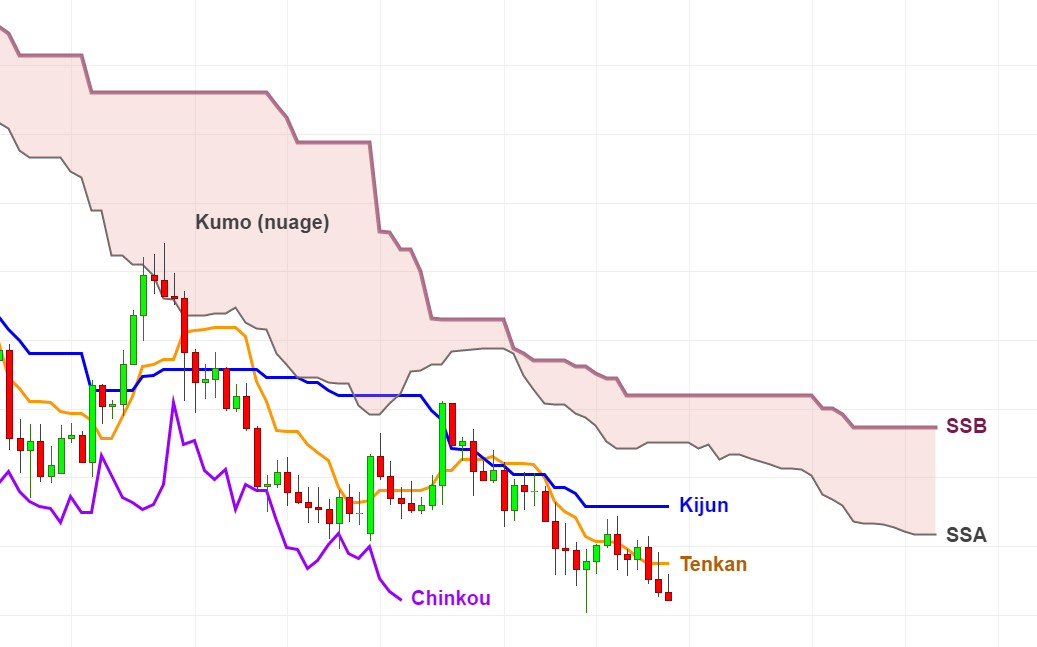
Graphique Ichimoku avec nuage Kumo, lignes Tenkan (orange), Kijun (bleue), Chinkou (violette), SSA et SSB formant le nuage.

What are the best technical indicators for beginners in trading?

Trading is attracting more and more individuals. But where do you start when you have no knowledge of the markets[…]

Ordinateur portable affichant une plateforme de trading avec graphiques boursiers et outils d’analyse financière.

How to start trading from scratch?

Trading is attracting more and more individuals. But where do you start when you have no knowledge of the markets[…]

Jeune homme concentré analysant un graphique boursier sur l’écran de son ordinateur portable dans une cuisine.

What is the difference between day trading, scalping, and swing trading?

Do you want to learn trading in a serious, recognized and certified environment? Have you heard of the RNCP,[…]

Page d’accueil du site officiel Mon Compte Formation avec options pour consulter ses droits, rechercher une formation, suivre sa formation et valoriser ses compétences.

How to successfully register for an RNCP-certified trading course?

Do you want to learn trading in a serious, recognized and certified environment? Have you heard of the RNCP,[…]

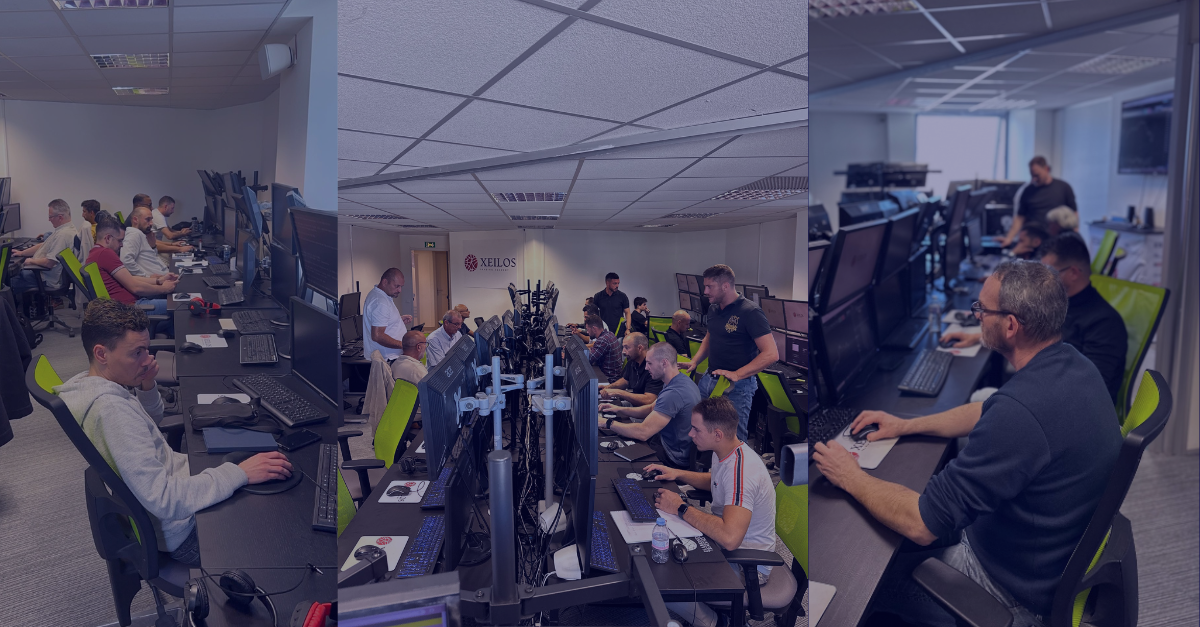
Montage photo de trois vues d’une salle de formation Xeilos, avec plusieurs rangées d’écrans et d’ordinateurs, où des élèves travaillent sur le trading accompagnés de formateurs.

What are the essential tools for effective trading?

Trading is not just about technical strategies, charts, or signs…

Homme en chemise bleue méditant devant quatre écrans affichant des graphiques boursiers, illustrant la gestion du stress et la concentration en trading.

How to master the psychology of trading to succeed?

Trading is not just about technical strategies, charts, or signs…

Élèves assis en classe à Xeilos Trading Academy, attentifs et prenant des notes pendant une formation.

Is it possible to switch careers to trading at 40?

Starting out in trading is exciting… but also fraught with pitfalls. Many beginners make the same mistakes, often due to a lack of method[…]

Élèves assis en classe à Xeilos Trading Academy, attentifs et prenant des notes pendant une formation.

Which training program should I choose to learn swing trading?

Starting out in trading is exciting… but also fraught with pitfalls. Many beginners make the same mistakes, often due to a lack of method[…]

Salle des marchés de Xeilos Trading Academy avec plusieurs écrans de trading et des élèves en formation devant leurs postes.

What mistakes should a beginner trader avoid?

Starting out in trading is exciting… but also fraught with pitfalls. Many beginners make the same mistakes, often due to a lack of method[…]

Page d’accueil du site officiel Mon Compte Formation avec options pour consulter ses droits, rechercher une formation, suivre sa formation et valoriser ses compétences.

How to use your CPF (Personal Training Account) to finance trading training?

Do you want to learn how to trade, but the cost of training is holding you back? Good news: the Personal Account[…]

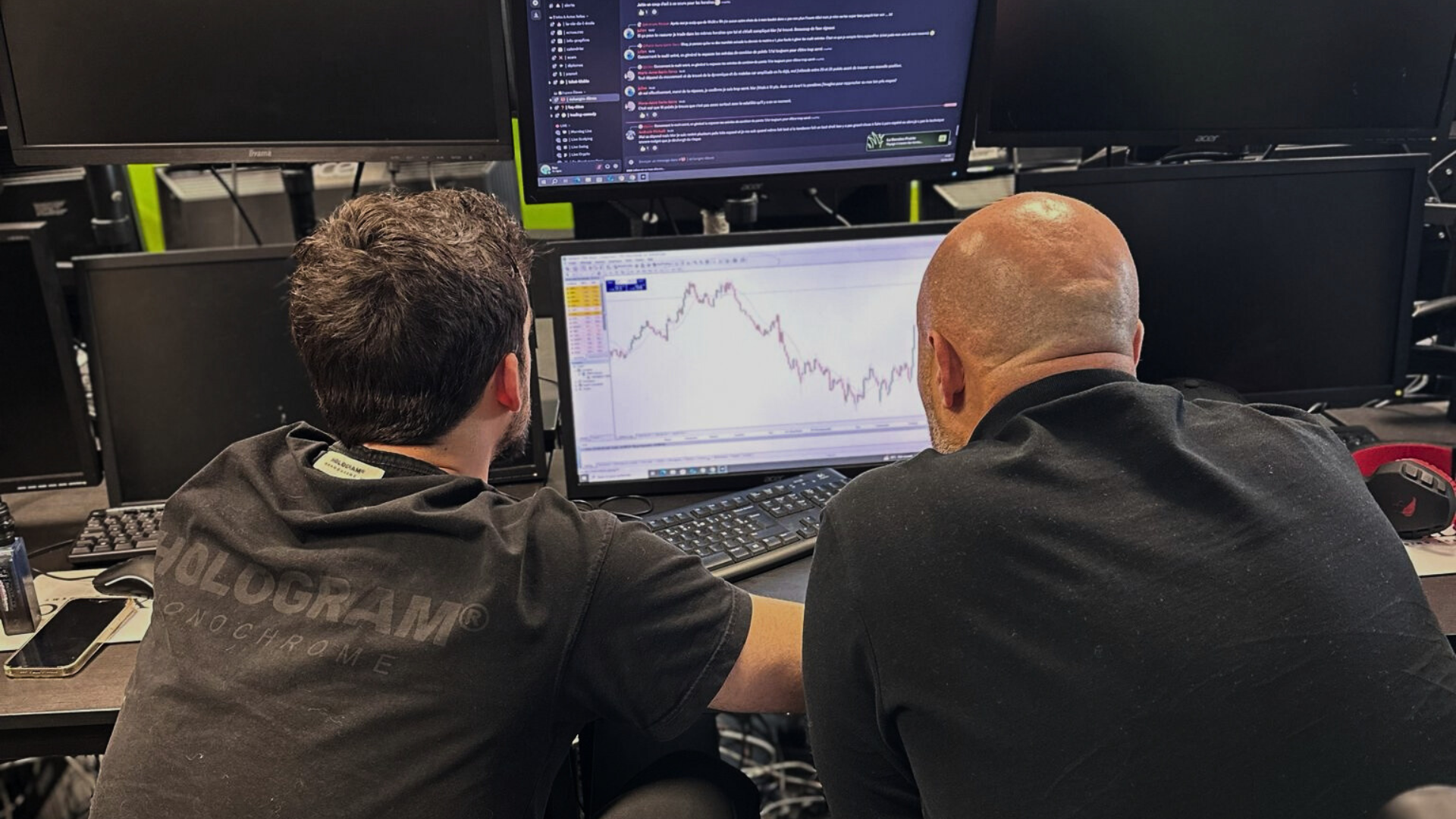
Deux traders en formation analysent un graphique boursier en temps réel sur plusieurs écrans dans une salle de marché.

CAN YOU BECOME A TRADER WITHOUT A DEGREE IN 2025?

CAN YOU BECOME A TRADER WITHOUT A DEGREE IN 2025? In 2025, the world of work is evolving at breakneck speed. […]