
Why get into trading?
Trading is attracting a growing number of individual investors, drawn by the potential for profit through buying and selling financial assets. However, without a rigorous approach and proper training, it's easy to make mistakes. This article guides you through the fundamentals of trading and provides the keys to getting started on the right foot.
1. Understanding the basics of trading
1.1 What is trading?
Trading involves buying and selling financial assets such as stocks, currencies (Forex), cryptocurrencies, indices, or commodities. The goal is to make a profit by taking advantage of price fluctuations.
1.2 The different types of trading
There are several trading styles adapted to the profiles and objectives of traders:
- Scalping: very short operations, lasting from a few seconds to a few minutes
- Day trading: buying and selling within the same day
- Swing trading: holding positions for several days
- Long-term investment: holding assets for several months or years
2. How to get started in trading?
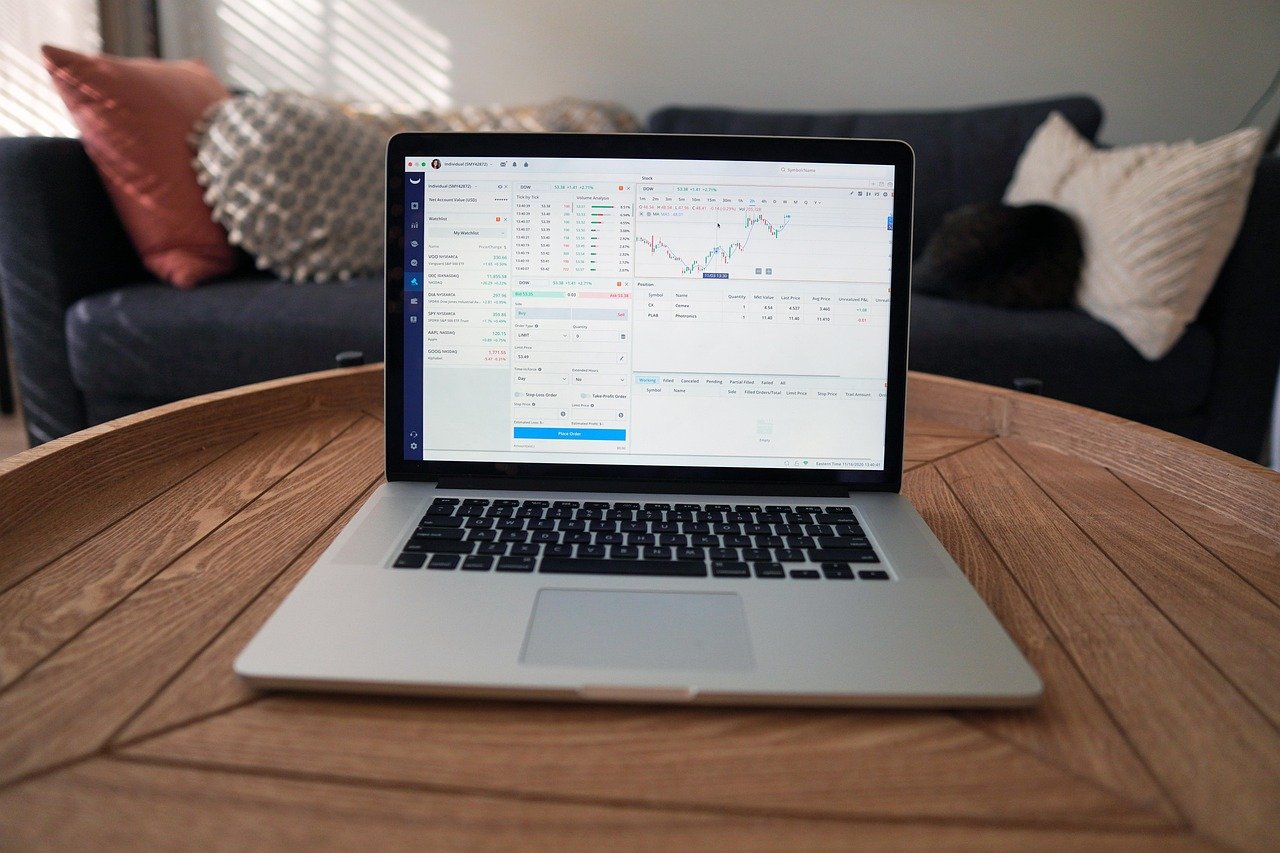
2.1 Choosing a suitable trading platform
Trading platforms vary depending on the assets available, transaction fees, and tools offered. Here are some selection criteria:
- Competitive transaction fees
- Intuitive interface suitable for beginners
- Integrated technical analysis tools
- Responsive customer support
2.2 Define a reasonable starting capital
One common pitfall for beginners is investing too much money without understanding the risks. It's recommended to start with an amount you can afford to lose.
- Start with 100 to 500 euros to test without risk
- Moving from 1,000 to 5,000 euros after validating a strategy
3. Get trained before you invest
3.1 Learning with appropriate training
Before trading with real money, it is essential to understand the basics of the market and acquire solid strategies.
OUR Financial Portfolio Management Training – Introduction is specifically designed for beginners who want to learn how to invest and trade effectively.
What you will learn:
- The basics of trading and financial markets
- Technical and fundamental analysis to anticipate market movements
- Risk management and the implementation of winning strategies
- Mastering essential trading tools
This training allows you to avoid the classic mistakes of beginners and to develop a methodical approach to trading.
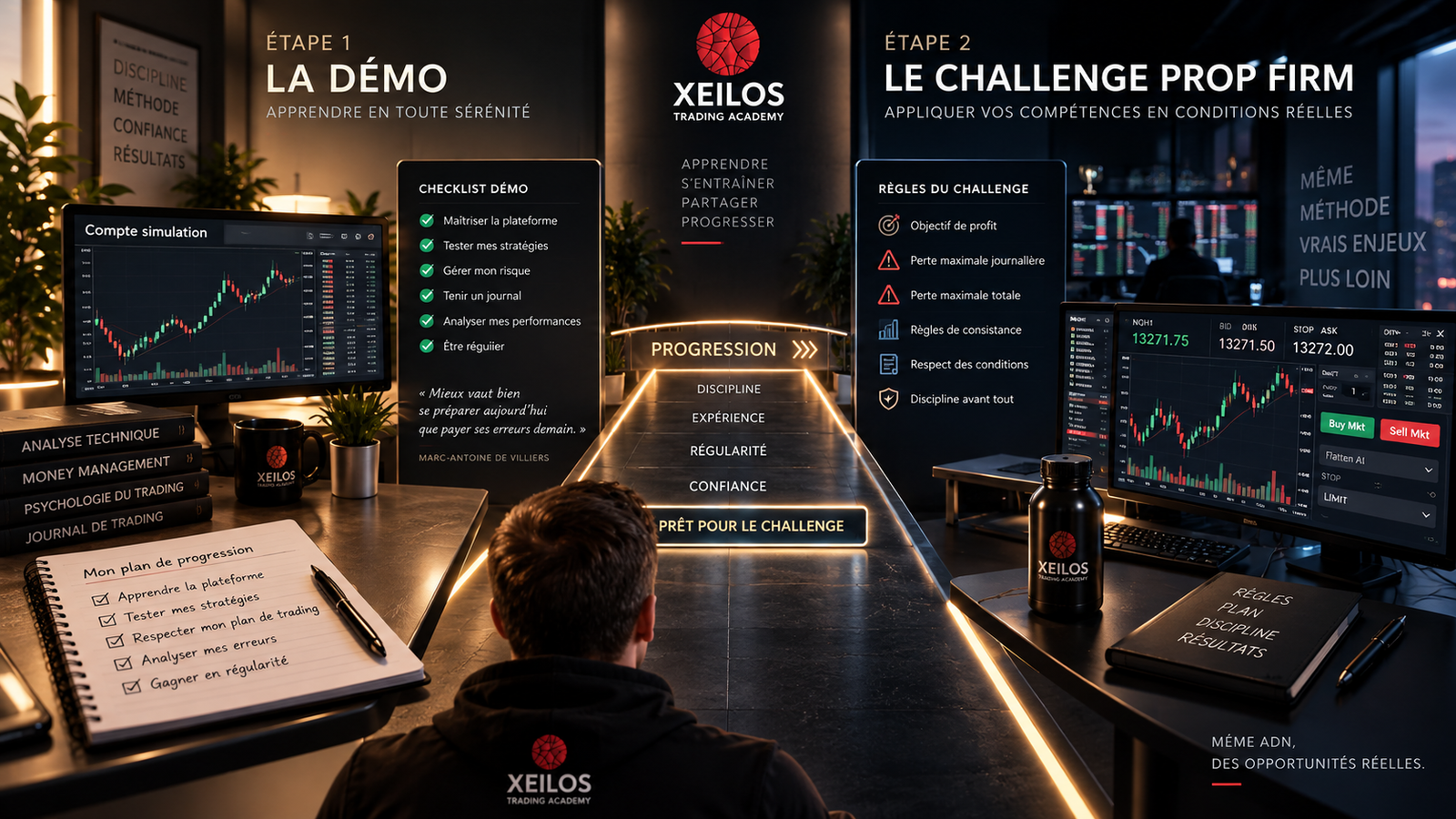
3.2 Practice with a demo account
To apply the concepts learned in training, it is recommended to start with a demo account. This allows you to practice in a simulated environment without risking losing money.
4. Manage risks to avoid losing your capital
4.1 Use a stop-loss to limit losses
A stop-loss is an automatic order that closes a position at a certain loss level in order to avoid excessive exposure.
Example: if a share is bought at 50 euros, a stop-loss can be placed at 45 euros to limit the loss to 10 %.
4.2 Do not give in to emotion
Common mistakes made by beginners include:
- Investing out of fear or greed
- Making multiple trades without a clear strategy
- Not adhering to one's trading plan
5. Taking action: first steps in trading
5.1 Create a demo account
Before investing with real money, it is recommended to open a demo account in order to test different strategies without risk.
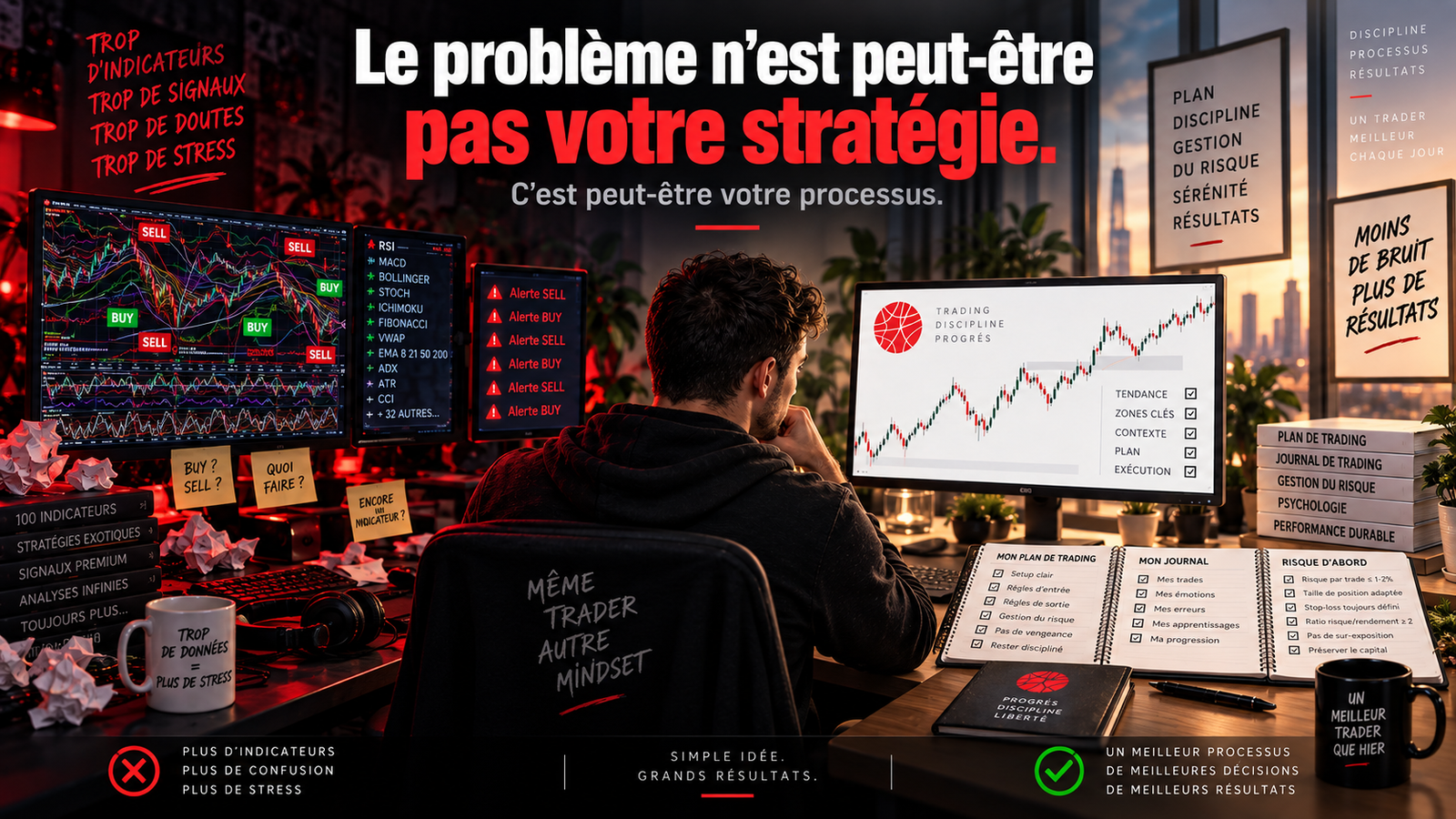
5.2 Establish a trading plan
A good trader follows a precise plan including:
- A daily earnings goal
- A maximum loss limit
- A clear strategy (scalping, swing trading…)
5.3 Starting with a small amount of capital
It is best to start with limited capital and monitor the performance of positions before gradually increasing the amounts invested.
Conclusion: Ready to start trading?
Trading is an exciting but risky activity. It's essential to get proper training, test your strategies with a demo account, and adopt sound risk management practices. By following these tips, you can approach trading with greater confidence and avoid common mistakes.

Going further: Training in trading with structured support
If you wish to go further and learn to trade with a professional approach, our Financial Portfolio Management Training – Introduction is ideal for you.
It allows you to:
- Understanding the fundamentals of trading and portfolio management
- Learn to analyze markets and implement appropriate strategies
- Manage risks and optimize your investments
- Practice with concrete exercises and case studies
Whether you are a complete beginner or looking to consolidate your knowledge, this training offers you a structured and educational framework to progress quickly and confidently.
Sign up now and start your journey to trading success!































2 Comments
Very interesting article!
Thank you for the comment.